Exploring the Limitless Realms: How Creative Open World Games Redefine Player Experience
In recent years, the gaming industry has seen a revolution, primarily driven by the concept of open world games. These games allow players to explore vast landscapes, embark on intricate quests, and create unique stories. As we delve into the realm of creative games, we uncover how they not only entertain but also redefine the player experience. This article will take a closer look at what makes these games so captivating and how they have evolved.
The Allure of Open World Games
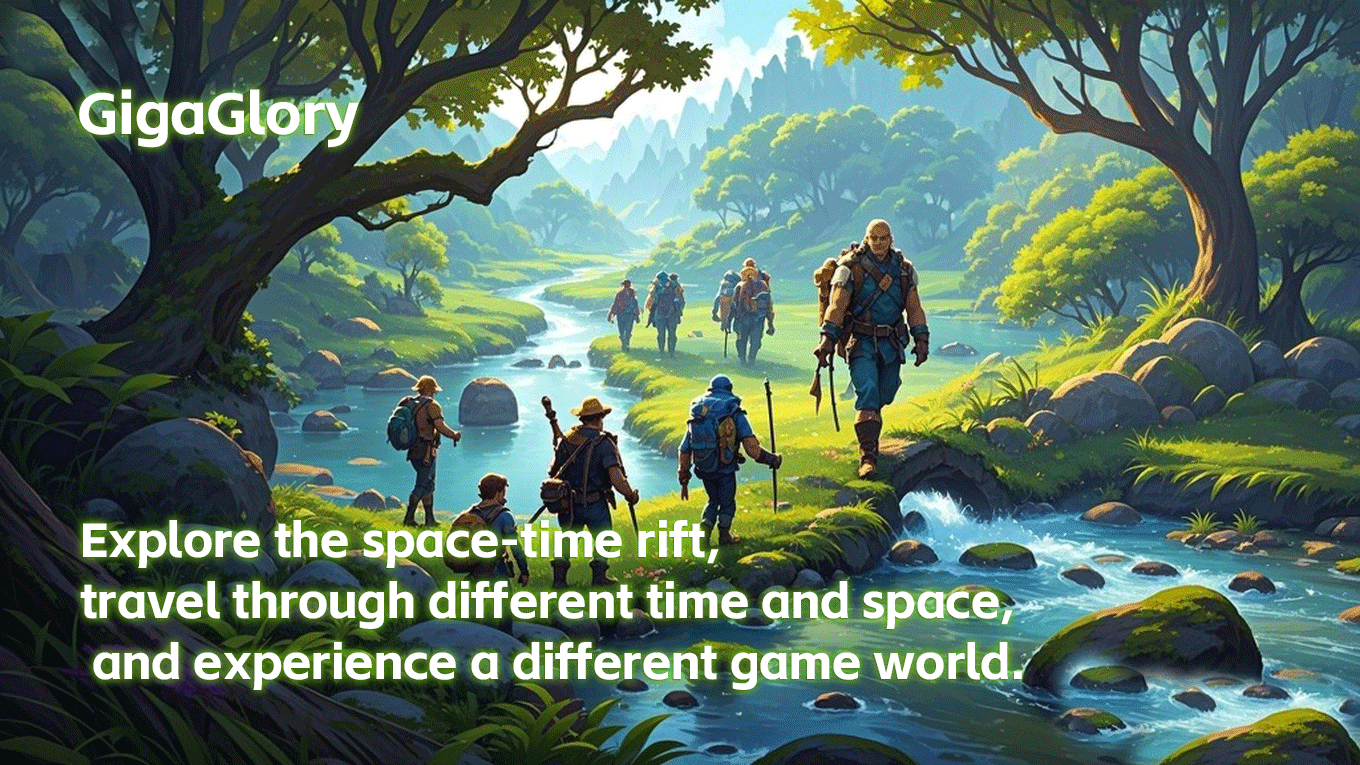
Open world games offer a sense of freedom that captivates players. Unlike traditional games with linear storylines, these games allow players to set their own course. From bustling cities to serene landscapes, exploring feels like an adventure of a lifetime.
Player Agency: Crafting Your Own Destiny
One of the key elements of open world games is player agency. Players are no longer restricted to a predefined path; they can make choices that significantly impact their game. This sense of control fosters a deep emotional engagement, as each decision shapes their journey.
Immersion Through Details
Many a gamer can attest to the sheer joy of discovering hidden secrets within these worlds. Whether it's a side quest tucked away in a shadowy alley or an Easter egg that references pop culture, attention to detail creates a rich, immersive experience.
Diverse Characters and Non-Linear Storytelling
Open world games are known for their diverse array of characters. Players interact with various NPCs (non-player characters) that add life to the game. Unlike straightforward narratives, the stories in these games often unfold based on player choices. It’s this non-linear storytelling that hooks players, making each experience unique.
The Social Aspect: Multiplayer Open Worlds
Moreover, many open world games now offer multiplayer capabilities. Players can explore alongside friends, completing missions together or simply enjoying the environment. This social interaction transforms gaming from a solitary experience into a shared adventure.
Challenges: Bugs and Technical Issues
Despite their allure, open world games often come with challenges. Issues like the infamous "Rainbow Six freeze and crash to desktop middle of match" can frustrate players, hindering their experience. Developers are continually working to address these bugs, but they still pose significant hurdles.
The Evolution of Open World Games
The evolution of these games has been remarkable. Titles like Somalia Delta Force and others have increased the complexity of gameplay mechanics. Players now encounter varied game dynamics—be it realistic weapon physics or intricate AI that adapts to player behavior.
Why Creativity Matters in Game Design
At the core of these innovations lies creativity. Game developers are pushing boundaries, exploring artistic directions that resonate with diverse audiences. This creativity fuels lush environments and diverse narratives, contributing to the games’ overall appeal.
Key Elements of a Successful Open World Game
- Immersive Environment: A world that feels alive, teeming with details.
- Player Agency: Choices that truly affect the storyline.
- Diverse Characters: Varied NPCs that enhance storytelling.
- Robust Mechanics: Smooth gameplay that minimizes bugs.
- Engaging Quests: Side quests that add depth to the main narrative.
- Community Features: Multiplayer options that encourage social play.
Table: Popular Open World Games and Their Features
| Game Title | Release Year | Unique Features |
|---|---|---|
| Grand Theft Auto V | 2013 | Realistic city environment, engaging heists. |
| The Legend of Zelda: Breath of the Wild | 2017 | Stunning visuals, intricate physics engine. |
| Assassin’s Creed Odyssey | 2018 | Rich historical content, moral choices. |
| Red Dead Redemption 2 | 2018 | Detailed world-building, dynamic weather. |
Technological Advancements Improving Player Experience
The advancements in technology have also played a pivotal role in shaping the open world genre. New gaming engines allow for expansive worlds that previously seemed impossible. With each generation, graphics become more lifelike, immersing players even deeper into the game's universe.
The Role of Community Feedback
Moreover, developers are increasingly focusing on community feedback. Players' opinions guide updates and patches, which improves the overall experience. Acknowledging player concerns, such as bugs and gameplay mechanics, builds loyalty and trust within the gaming community.
Conclusion: The Future of Open World Games
As we journey through the endless possibilities of open world games, it becomes clear that their innovation will continue to redefine gaming. Through creative designs, enhanced storytelling, and community-focused updates, these games promise to captivate players for years to come. Despite challenges like technical issues, the inherent potential for immersive experiences ensures they remain at the forefront of the industry. It's indeed an exciting era for gamers, and each adventure awaits!